
Educational Blogs
The Spring Blues: Why You Might Still Feel Down After Winter

When we think of Seasonal Affective Disorder (SAD), we usually associate it with the darker, colder months of winter. But did you know there’s also a reverse form of SAD? It’s called “spring blues,” and it can leave many of us feeling anxious, lethargic, or even a little depressed, despite the warmer days and longer sunlight hours.
So, why does this happen?
Common Factors That Might Be Behind The Spring Blues
- Changes in Circadian Rhythms
As the days get longer, our internal body clocks (circadian rhythms) may need some time to adjust. This shift can cause sleep disturbances, leading to mood changes or fatigue.

- Pollen and Seasonal Allergies
Pollen is a common springtime irritant, and if you’re allergic, it can trigger inflammation in the body. Interestingly, research shows a link between inflammation and depression, making spring allergies more than just a nuisance for some (Amritwar et. al, 2018).

- Pressures to Be More Social and Active
With the arrival of spring, there’s often a societal push to get outside, reconnect with friends, and be more active. This can feel overwhelming, especially if you’re someone who naturally needs a slower pace or more downtime.

- The Challenge of Seasonal Transitions
Change, in any form, can be difficult. The shift from winter’s hibernation mode to spring’s more active energy can feel like a lot, and it’s not unusual for feelings of anxiety or depression to crop up during this transitional period.

Spring Blues and Chinese Medicine: The Liver’s Role
In Chinese medicine, spring is all about the upward and outward expansion of energy, just like a plant sprouting up and out from the ground. It’s a time for renewal and growth after the quieter, more restorative winter months. The Liver is key here, its energy system is responsible for the smooth flow of Qi, which is essentially our body’s intelligent energy.
When the flow of Qi is disrupted, particularly in the spring, it can manifest as irritability or mood disturbances. If you’re feeling extra agitated or out of sorts this season, it could be a sign that your Liver energy is out of balance.
How to Manage the Spring Blues and Support Your Liver System
So, what can you do to nurture your mind and body during this season of transition? Here are some natural ways to support yourself:
Dietary Changes

As the weather warms, our diet should be the lightest of the year to encourage the ascending and expansive qualities of spring. Try to incorporate more fresh fruits and vegetables, especially leafy greens and sprouts with lighter protein sources. It’s wise to limit salty flavors this time of year such as soy sauce and sodium-rich meats, as salt has a descending quality to it. Eating seasonally is a great way to support your energy and help your body adjust to the changing environment.
Movement

Movement is a key part of managing the spring blues. Whether it’s a gentle walk outside, yoga, or dancing to your favorite tunes, getting your body moving helps promote the free flow of Qi and can lift your mood. Stretching is also beneficial to maintain flexibility in the joints and connective tissues.
Acupuncture

Acupuncture can be especially helpful during seasonal transitions. A licensed practitioner can help to balance your energy and support your body through changes in the environment.
Herbal Support
Certain herbs can help your body adapt to the changing seasons. Traditional Chinese Medicine uses chrysanthemum, peppermint, and dandelion teas to support the Liver and clear out any stagnant energy. Consult with your acupuncturist for a custom herbal formula for your needs!
Get 5-10 Minutes of Morning Sunlight

Exposure to natural light first thing in the morning helps regulate your circadian rhythm. Aim to get at least 5-10 minutes of sunlight within 30 minutes of waking up. Even on cloudy days, try for 30 minutes if you can, it can make a huge difference in how you feel.
Foster Social Connections

Despite the pressures to be social, don’t forget to engage in meaningful connections with others. A strong social network can provide support and lift your mood during this transitional time.
How to Implement These Recommendations Into Routines and Lifestyle
Morning Movement

Start your day by incorporating gentle stretches to help wake up your body and get your energy flowing. Even just 5 minutes of light stretching can help improve circulation, reduce stiffness, and boost your mood. Consider adding a few yoga poses, such as cat-cow, downward dog, or gentle twists to start the day feeling more aligned. If you enjoy a more dynamic routine, a short walk outside can also do wonders for your energy levels and set a positive tone for the day.
Sour Flavors in Your Diet

As you transition into spring, embrace the use of sour flavors in your cooking. Ingredients like lemon, lime, vinegar, and fermented foods can support your Liver and help balance your Qi, according to traditional Chinese medicine. Adding lemon to water in the morning or squeezing some into your salad dressings or teas not only brightens your meals but can also promote digestion and cleanse your system. You can also try adding fermented foods like sauerkraut or kimchi to meals to support gut health and enhance your overall well-being.
Stay Hydrated
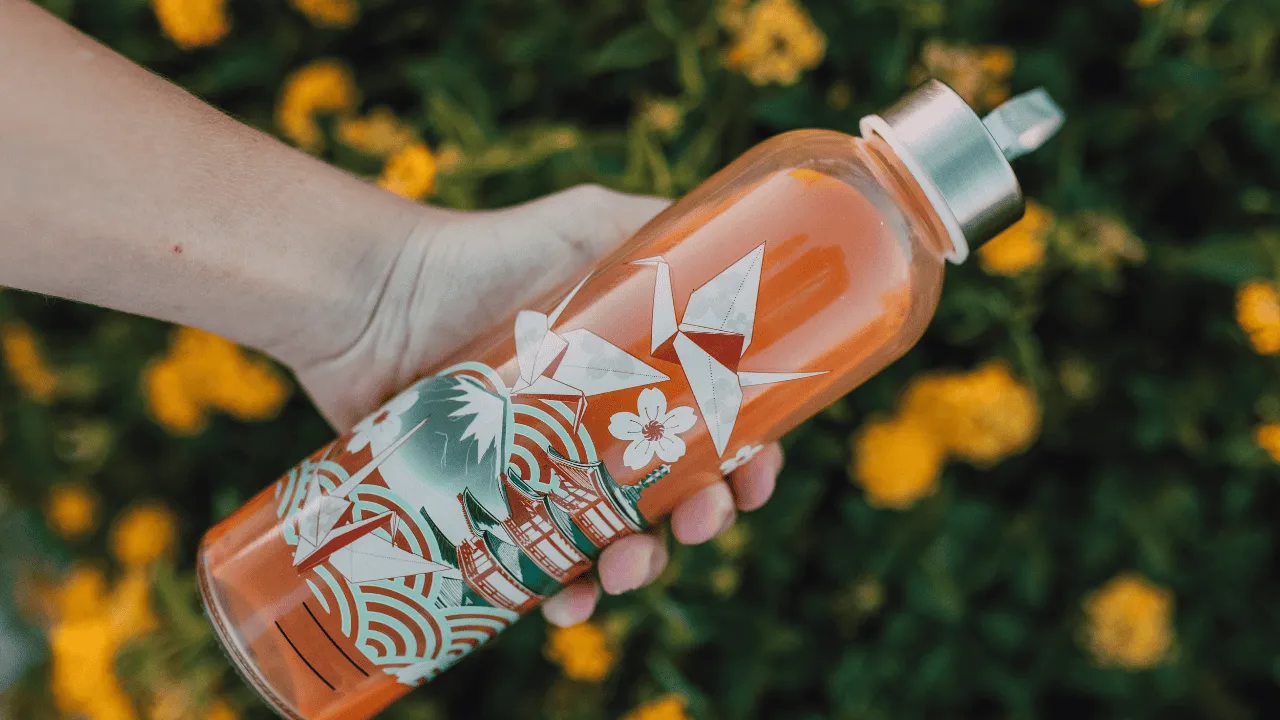
As the temperatures rise, your hydration needs may change. Drinking plenty of water throughout the day is essential for keeping your body energized and helping your liver flush out toxins. You can also try infusing your water with fresh herbs like mint or cucumber for a refreshing twist, adding a bit of flavor while supporting your body’s natural detox processes.
Grounding Rituals

Take a moment each day to connect with the earth. Whether it’s walking barefoot on grass or sitting outside for a few minutes to soak in the natural surroundings, grounding rituals can help reset your energy and improve mental clarity. Even if it’s just for 5 minutes, it’s a great way to foster a sense of calm and balance during the busy spring season.
Nourish Your Body with Seasonal Foods
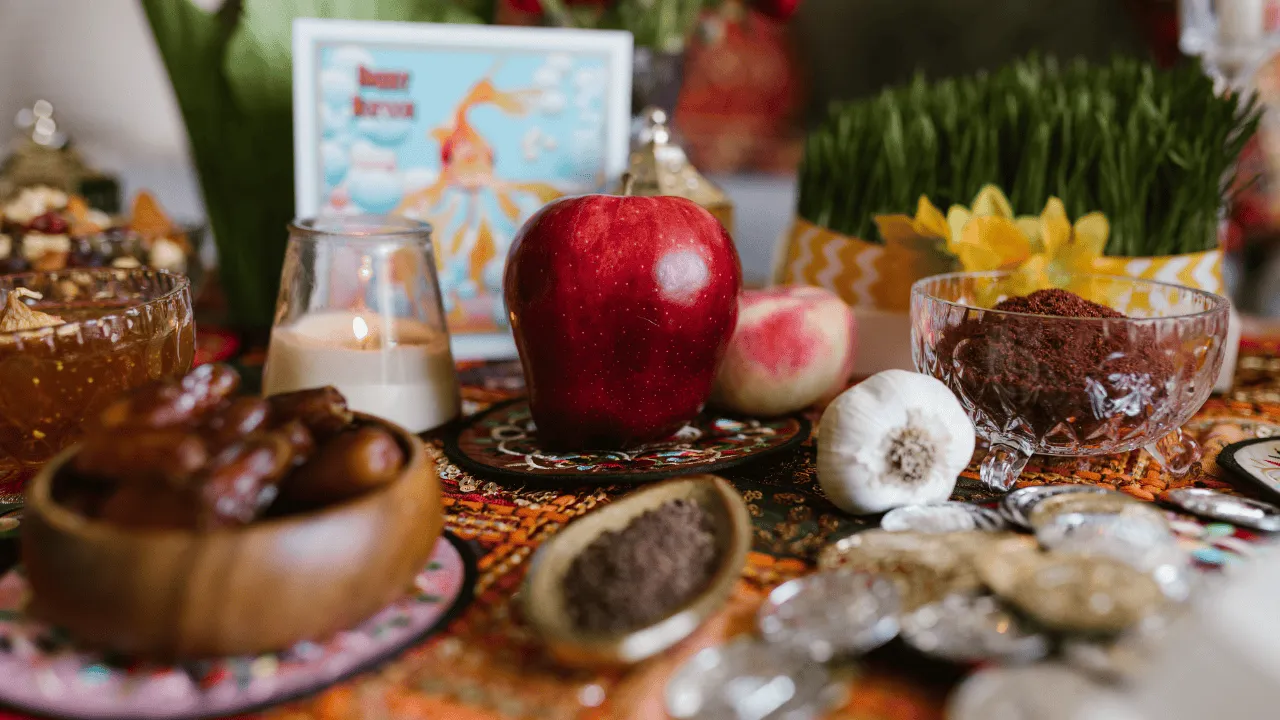
Make a point of eating foods that are in season, as they align better with your body’s needs during the changing climate. Focus on fresh, light foods that promote detoxification and liver health, such as leafy greens, sprouts, and seasonal fruits like berries and apples. A light soup with fresh herbs, or a vibrant salad filled with veggies, can be a perfect way to balance your body’s energy.
Cultivate Mindful Social Interactions

While there may be a societal pressure to be more social in spring, take a mindful approach to your interactions. Instead of overcommitting to events, prioritize those that feel enriching and authentic to you. Even small moments of connection, like a coffee date with a close friend or a shared walk outdoors, can be nourishing for your spirit. Balance socializing with time for introspection to ensure you’re supporting both your external and internal needs.
Create a Spring Ritual of Renewal

Take time to refresh your space, whether it’s cleaning out your closet, rearranging furniture, or adding new plants to your environment. A decluttered space can help promote mental clarity, and fresh plants or flowers can be an uplifting reminder of the season’s growth and renewal. You could also introduce a new hobby or practice to align with the season’s energy, perhaps a gardening project, learning a new creative skill, or starting a journaling practice that focuses on personal growth.
By weaving these small, mindful changes into your daily routine, you can ease the transition into spring and support your body and mind through this period of renewal. The key is not to rush through the process but to make each adjustment with care and patience, allowing your body to naturally flow with the season’s energy.
While the spring blues can feel a little disorienting, it’s helpful to remember that these feelings are common and can be managed. By tuning into your body, making small lifestyle adjustments, and incorporating holistic practices, you can support your mental and physical well-being as the seasons change.
If you’re feeling stuck or overwhelmed, don’t hesitate to reach out to a professional for support. You don’t have to navigate the spring blues alone.
References
Amritwar, A. U., Lowry, C. A., Brenner, L. A., Hoisington, A. J., Hamilton, R., Stiller, J. W., & Postolache, T. T. (2017). Mental Health in Allergic Rhinitis: Depression and Suicidal Behavior. Current treatment options in allergy, 4(1), 71–97. https://doi.org/10.1007/s40521-017-0110-z
Health Central. (n.d.). Spring depression (reverse SAD): Causes, treatments & more. Health Central. Retrieved February 6, 2025, from https://www.healthcentral.com/condition/depression/spring-depression
Healthline. (n.d.). Spring depression: Symptoms, causes, and treatment. Healthline. Retrieved February 6, 2025, from https://www.healthline.com/health/spring-depression
Pitchford, P. (2002). Healing with whole foods: Asian traditions and modern nutrition (3rd ed.). North Atlantic Books.
Ready to talk it through?