Educational Blogs
Nourish Your Body and Mind with The Mediterranean Diet
· Updated
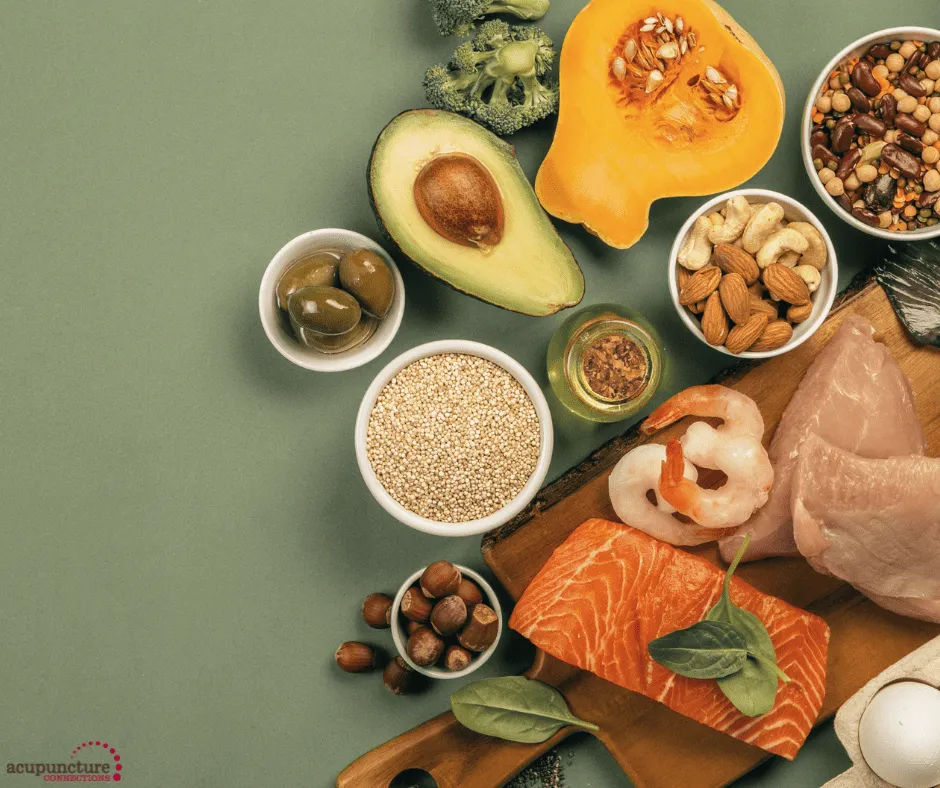
It is important to eat high-quality foods. Foods that create inflammation are processed meals, dairy, white flour, refined sugars, and alcohol. During treatments, we will suggest essential foods to help your condition.
The Mediterranean diet is rich in flavorful ingredients that can be delicious and nutritious! We recommend the Mediterranean diet because these foods improve our health and protect against chronic diseases. The purpose of the diet is to not be in a “restrictive sense” but to have well-balanced meals towards making healthier choices to honor your body.
- Think of this: “Your body is Your Temple”
High-Quality vs. Low-Quality
High-quality foods are the best for your body! Low-quality foods lead to inflammation, obesity, HBS, HBP, G.I issues, & weakens the immune system. Think about QQT, the quality of food, the quantity of food, & the time you should eat meals.
- High-quality foods
healthy fats, whole grains, fruits, dark leafy vegetables, healthy sources of protein
- Low-quality foods
processed meals, dairy, white flour, refined sugars, alcohol, high-glycemic foods (Which should be restricted) *Diet recommendations will be discussed based on health conditions
Health Benefits of The Mediterranean Diet
The Mediterranean diet has many health benefits that can help promote healing and help you along your health journey, such as:
- Regulating blood sugar levels
- More energy
- Help support brain function
- Decreases blood pressure
- Support healthy weight loss
- Reduce the risk of Heart disease
- Reduces the risk of Strokes
- Prevents Cognitive decline and Alzheimer’s Disease
- Promotes healthy aging
- Great for Type 2 diabetes management and prevention
- Decreases inflammation and arthritis pain
- Enhances our moods
Focus Areas of the Diet (Types of Mediterranean Foods We Should Eat)
- Vegetables
dark leafy greens, broccoli, onions, cauliflower, carrots, sweet potatoes, cucumbers, brussel sprouts, squash, turnips, spinach, kale, tomatoes
- Fruits
bananas, apples, pears, oranges, strawberries, grapes, dates, figs, melons, peaches, mixed berries
- Legumes
lentils, peanuts, chickpeas, red kidney beans, black beans, peas
- Whole Grains
oats, brown rice, rye, barley, buckwheat, whole wheat bread, whole grain pasta (limited)
- Nuts/Seeds
almonds, walnuts, hazelnuts, cashews, sunflower seeds, pumpkin seeds, almond butter, peanut butter
- Poultry
chicken, turkey, duck (in-moderation)
- Fish/Seafood
salmon, tuna, trout, shrimp, clams, crab, mussels, sardines (unsalted, low sodium, not in oil)
- Dairy
cheese, yogurt, almond milk, oat milk (limited, in moderation)
- Herbs/Spices
basil, mint, rosemary, nutmeg, cinnamon, pepper, cumin, garlic
- Healthy fats
extra virgin olive oil, olives, avocados, avocado oil
What to Avoid
- Trans Fats
fried foods, margarine, other processed foods
- Refined Oils
soybean oil, canola oil, grapeseed oil, peanut oil, vegetable oils
- Processed Meats
hotdogs, processed sausages, deli meats, beef jerky
- Highly-Processed Foods
convenience meals, microwave popcorn, granola bars, fast food
- Refined Grains
white bread, white flour, tortilla chips/tortillas, chips, crackers, pasta
- Added Sugars
ice cream, baked goods, syrup, soda, candies, table sugar
Healthy Snacks Suggestions
Here are a few ideas to help you get started and ready
- A dish of fruit
- Handful of nuts
- Baby carrots w/ hummus
- Greek yogurt w/ chia seeds
- Grapes
- Hard-boiled eggs
- Apple slices w/ almond butter or peanut butter
- Cottage cheese w/ fresh fruit
- Chia pudding
- Homemade Kale chips
- Sliced peppers w/ hummus or guacamole
- Oatmeal
- Edamame
- Olives
- Homemade trail-mix
- Popcorn
- Roasted chickpeas
What Can I Eat When Going Out
- Choose fish, poultry, or seafood as your entree
- Ask the server to have foods cooked in olive oil or without refined oils
- Avoid having bread or ask for whole-grain bread without butter (in moderation)
- Add vegetables to order instead of starchy side dishes
- Drink water or tea (without added sugars)
Best Meal Times
The best meal times are according to your practitioner’s dietary recommendations for your condition.
- Breakfast
It’s all about breaking the “fast” of a night without eating, and it also sets the day that gives you the energy you need to face the day of what will bring. Eat breakfast within the hour of waking up to avoid mid-morning snacking.
- Lunch
The goal is to prevent becoming overly hungry between meals and eat lunch about 4-5 hours after breakfast. Let’s say you ate breakfast around 8 am; lunchtime should be around 12 pm – 1 pm.
- Dinner
We tend to overeat at dinnertime. It’s vital to follow the same eating schedule of eating dinner after 4-5 hours after lunch. Sometimes, people eat snacks during the afternoon, which is fine but do not overindulge in snacks before heading home to eat dinner.
- Intermittent fasting (IF)
If you are fasting, it is recommended to follow a 16/8 hour schedule. Immediate fasting may not be for everyone, but the purpose of fasting is to not consume anything except for tea, coffee, or water for 16 hours. Then, you can eat freely for 8 hours only. However, during the 8-hour eating window, following recommended dietary guidelines is essential.
Meal times may differ depending on your condition, physical activity, and health goals. But it’s essential to speak with your practitioner about meal times and dietary suggestions for your well-being.
Stay tuned; recipes will be available soon!
Ready to talk it through?