
Educational Blogs
Beat Seasonal Affective Disorder (SAD) and Sugar Cravings with Red Light Therapy

As the fall season settles in and the days grow shorter, many people experience significant changes in their mood, energy levels, and cravings. One of the most common challenges faced during this time of the year is Seasonal Affective Disorder (SAD), a type of depression triggered by seasonal changes. Along with mood dips, people also tend to crave more sugary and carbohydrate-heavy foods, which can lead to fluctuations in glucose levels and overall health.
At Acupuncture Connections, we understand the interconnectedness of mental health, immune function, and energy levels, particularly during the colder months. We are excited to offer solutions like red light therapy and acupuncture to help our patients manage SAD symptoms and maintain stable glucose levels.
Understanding SAD and It’s Connection to Sugar Cravings
Seasonal Affective Disorder (SAD) affects many people worldwide, especially during fall and winter when there’s a reduction in sunlight. One of the primary reasons for SAD is the disruption in the body’s circadian rhythm, which regulates sleep and wake cycles. Reduced sunlight can affect serotonin levels, contributing to feelings of depression and anxiety.
- But why do sugar cravings often accompany SAD?
The body craves sugar for a few reasons:
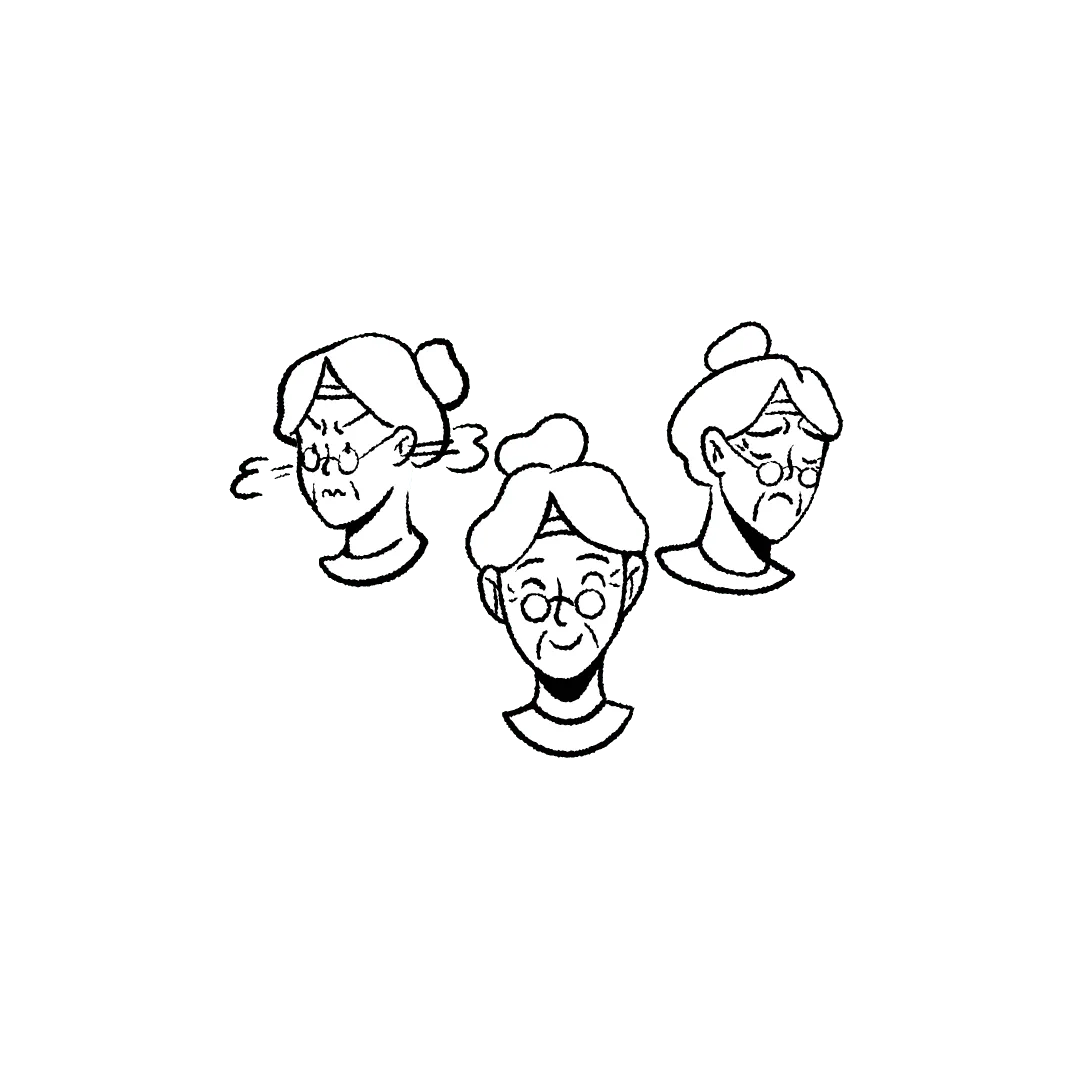
Dopamine Response
Sugar triggers a release of dopamine, the brain’s “feel good” hormone, which provides a temporary mood boost.
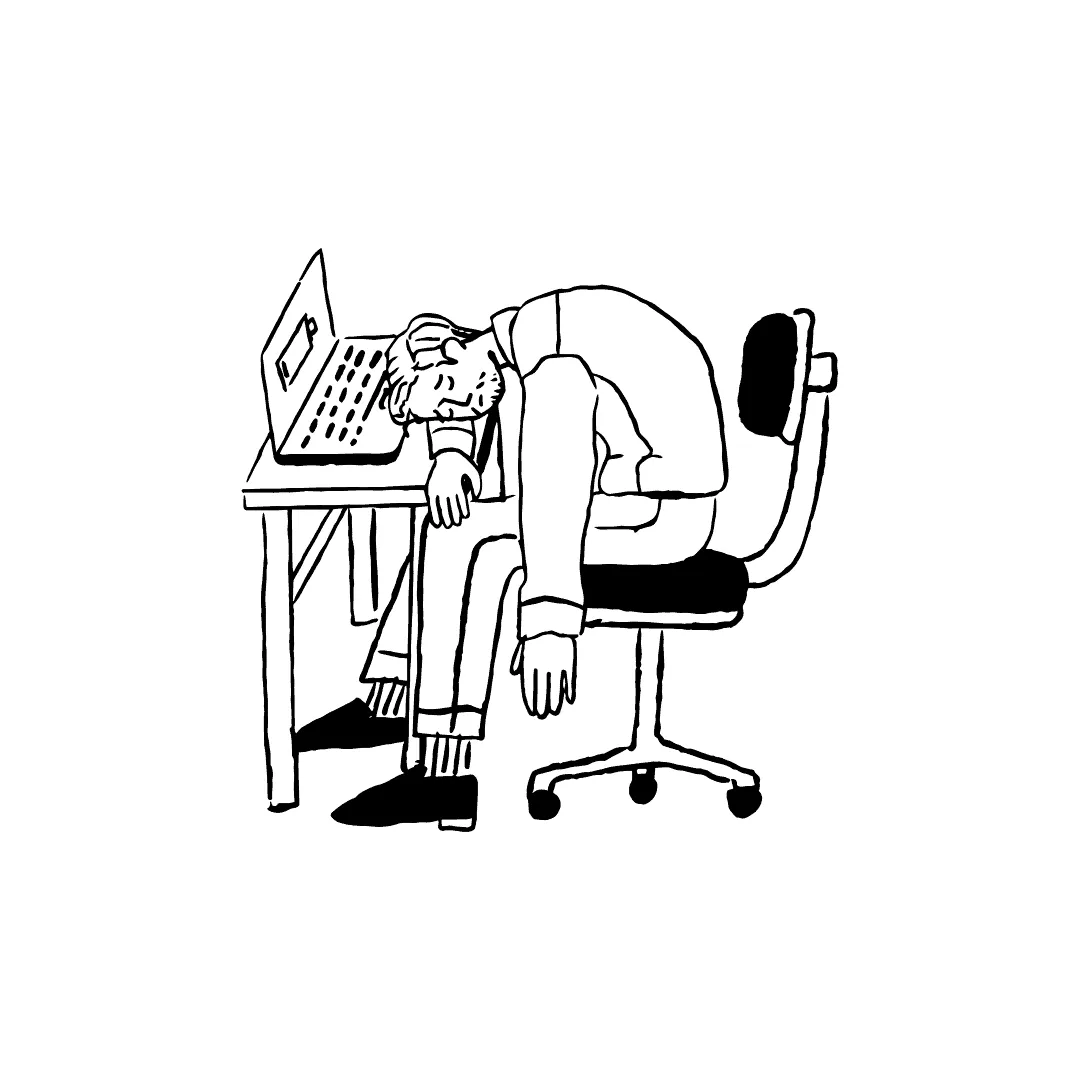
Energy Slump
As sunlight exposure decreases, so does our energy. The body often turns to quick sources of energy, like sugar, to combat fatigue.
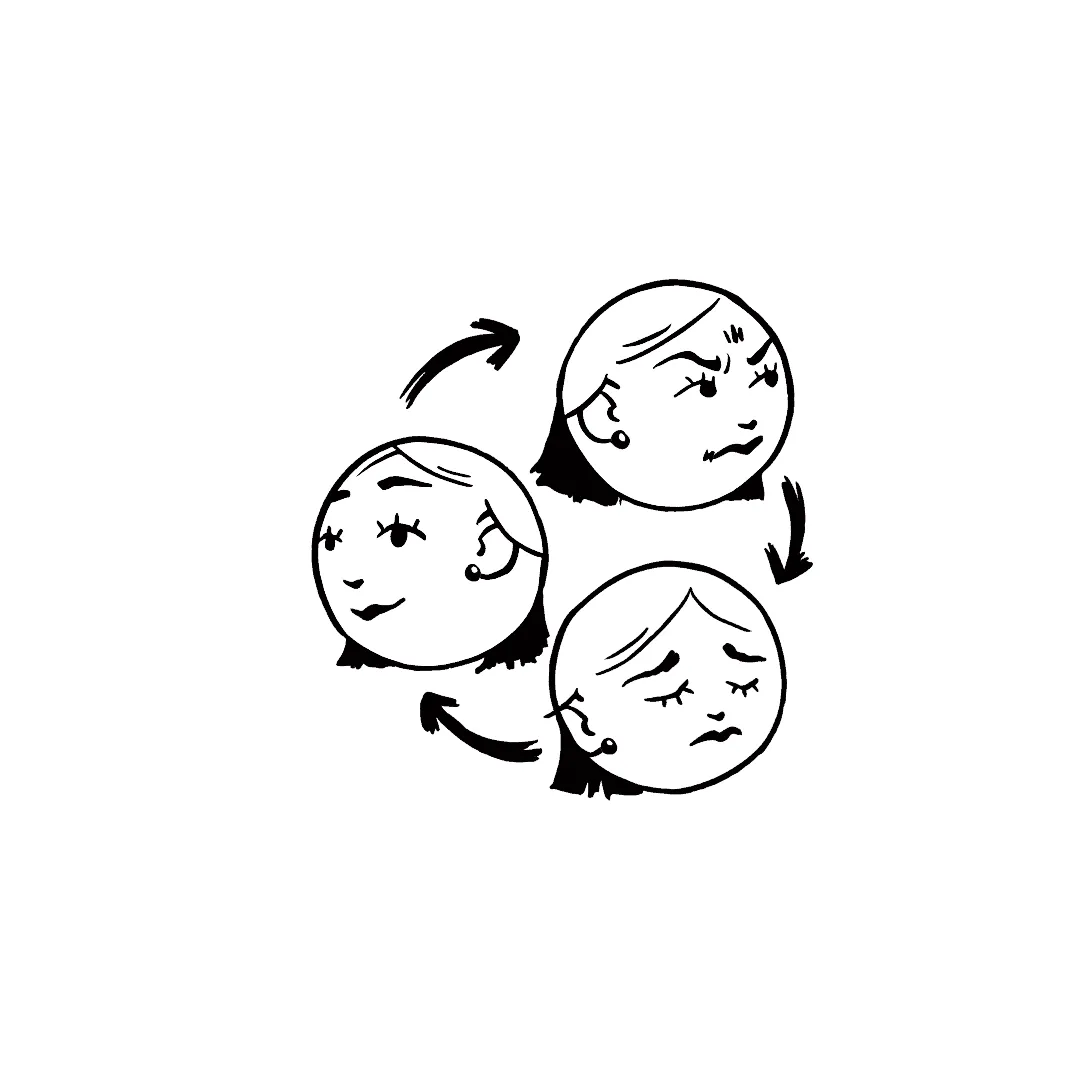
Serotonin Production
Sugar can help increase serotonin levels temporarily, making you feel better in the short term.
However, giving in to sugar cravings can wreak havoc on your glucose levels. When you consume sugary or carb-heavy foods, your blood sugar spikes, and soon after, crashes. This can leave you feeling more tired, irritable, and even hungrier, which creates a vicious cycle of cravings and mood swings. For instance, according to this cross-study, there was a relevance of how sugar intake increases the risk of depression,
“Additionally, excessive dietary sugar intake can lead to metabolic disorders and increase the levels of inflammatory mediators and pro-inflammatory cytokines in various tissues. The higher the level of inflammation, the greater the risk of depression and resistance to treatment (Zhang, L., Sun, H., Z., Yang, J., & Liu, Y., 2024, para. 30).”
Therefore, the importance of taking proactive measures to conquer symptoms of SAD is significant because dietary changes can positively impact overall health for individuals.
The Importance of Glucose Regulation
Proper glucose regulation is essential for maintaining energy, mental clarity, and a strong immune system. Wild fluctuations in blood sugar can lead to feelings of lethargy, irritability, and increased susceptibility to illness, all of which can compound the effects of SAD. Keeping your glucose levels stable throughout the day by eating balanced meals, incorporating protein, and avoiding processed sugars, can significantly improve both physical and emotional well-being during the colder months.
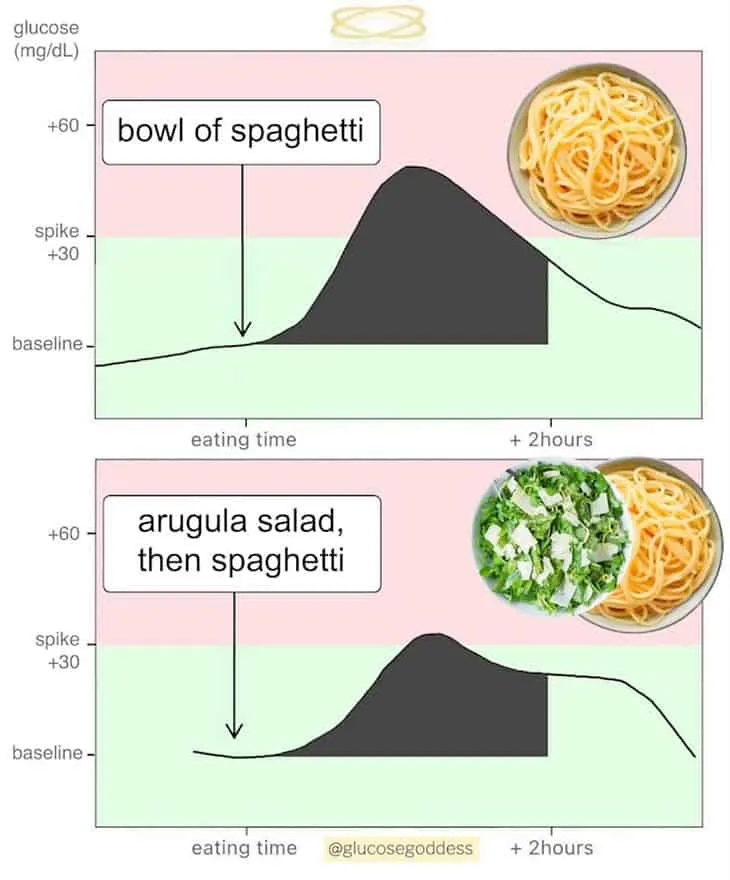
A French biochemist, bestselling author, and founder of the Glucose Goddess movement talks about the science of cutting cravings, getting your energy back, and feeling amazing by following her guides. How the process works is that “the guide is scientifically proven that walking after eating reduces the glucose spikes of a meal (Glucose Goddess, 2019, para. 7).”
Find out the secrets of glucose spikes and the surprising effects on our health even if you don’t have diabetes.
How Red Light Therapy Supports SAD and Glucose Regulation
At our clinic, we offer red light therapy as a non-invasive, scientifically baked approach to managing SAD, improving mood, and enhancing overall energy. Here’s how red light therapy can make a difference:
Regulating Circadian Rhythm and Mood
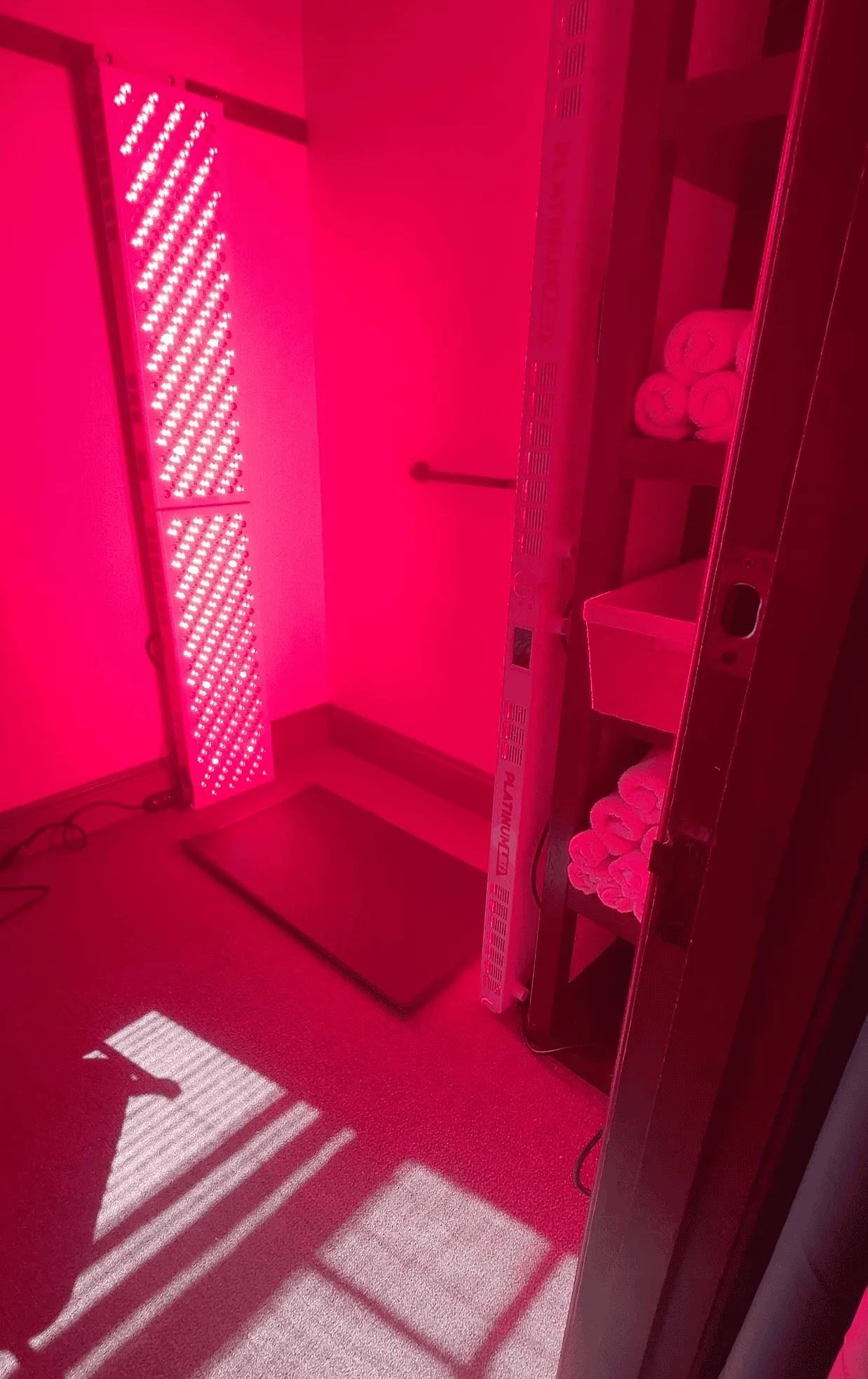
Red light therapy mimics the effects of natural sunlight, helping to restore function to the body’s circadian rhythm. Consistent exposure to red light can increase the production of serotonin, reducing feelings of depression, and anxiety associated with SAD. By supporting the brain’s natural mood, red light therapy can reduce the need for sugary foods as a source of comfort.
Boosting Energy Levels
Red light therapy works at a cellular level by stimulating the mitochondria, which are the powerhouse of your cells. When the mitochondria activity is increased, this helps your body produce more ATP (adenosine triphosphate), the primary energy source in the body. Regular red light sessions can help combat the energy slumps that are common during the fall and winter months, keeping you energized and focused throughout the day.
Supporting Immune Function
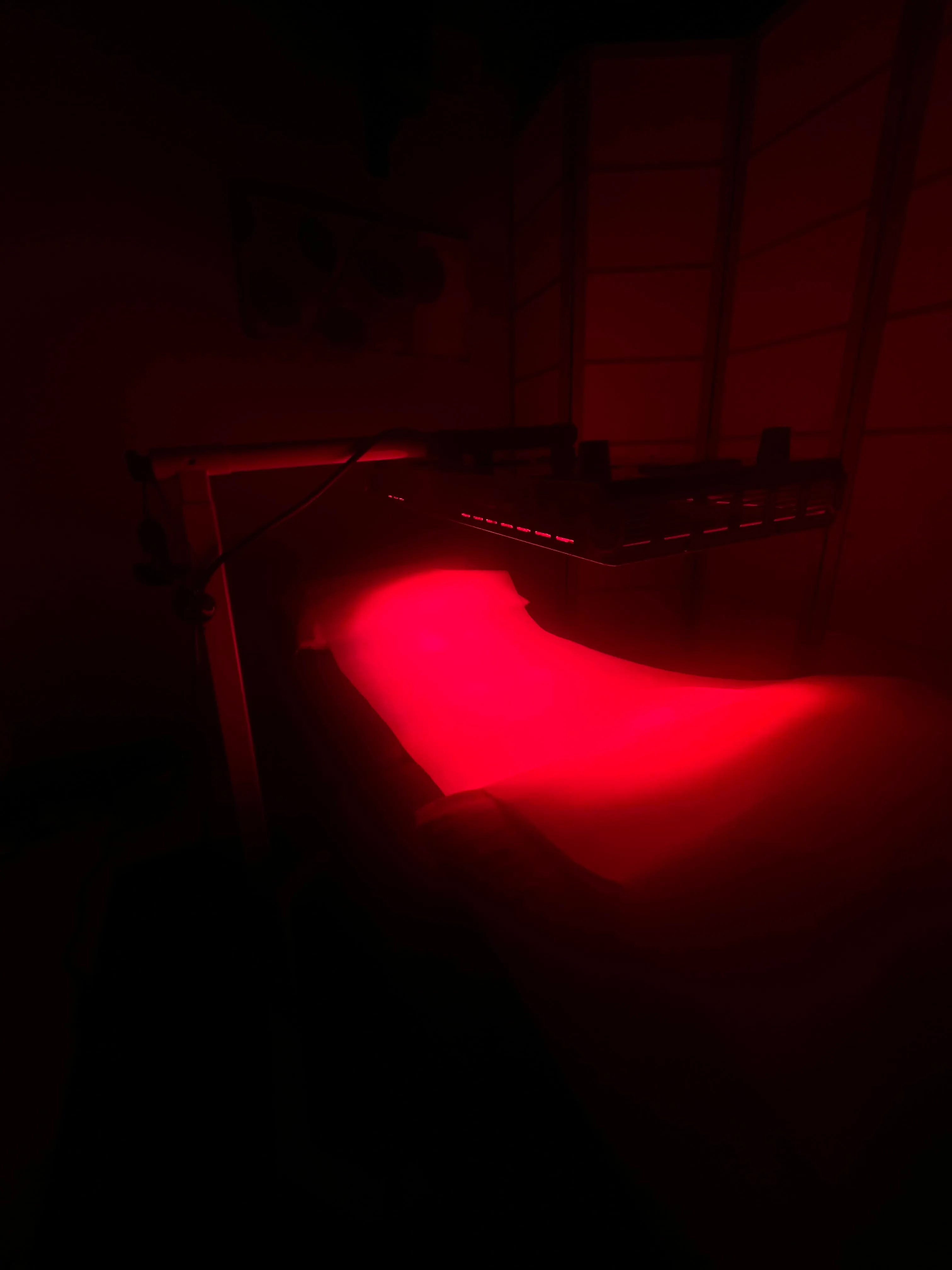
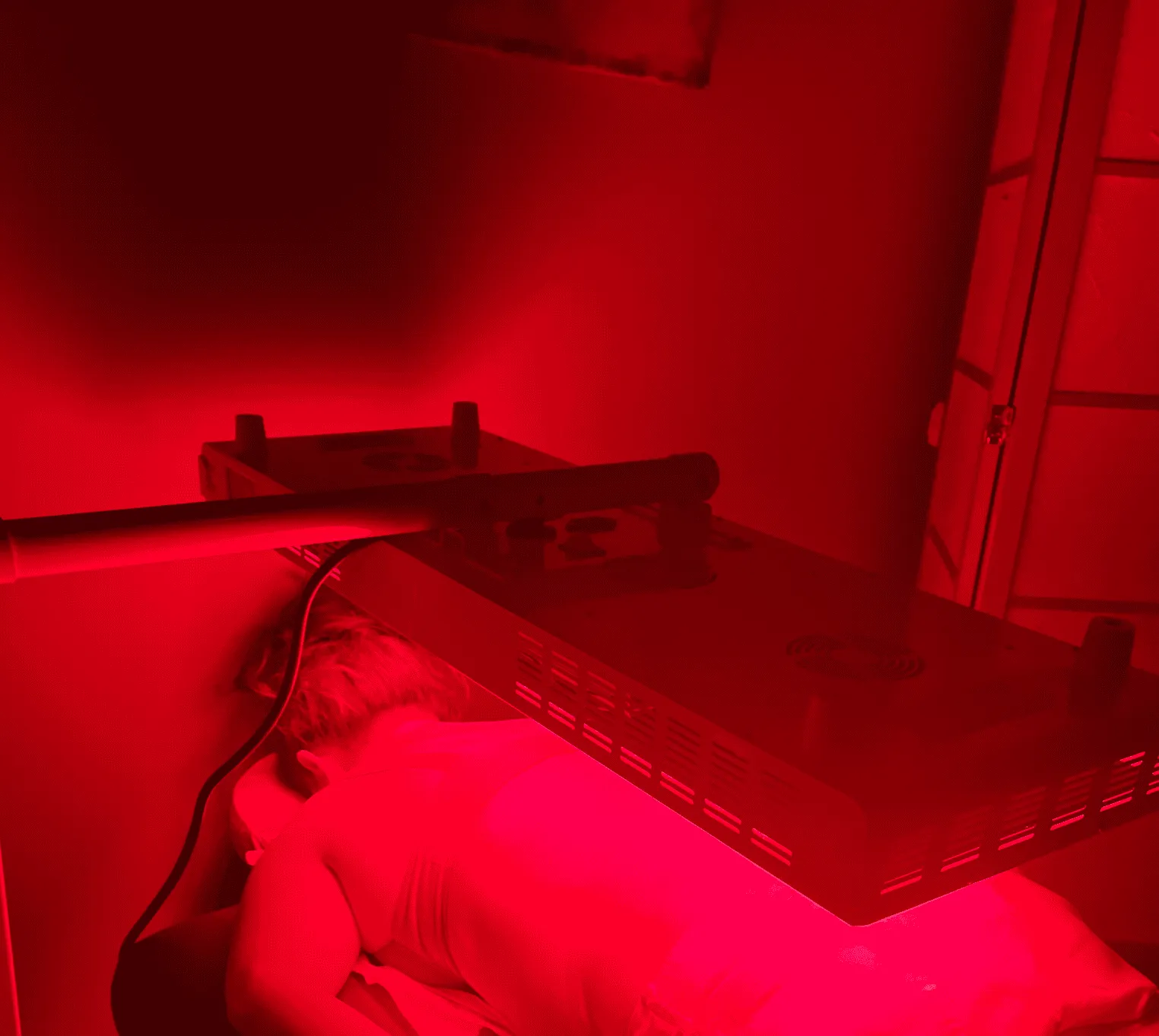
As we enter cold and flu season, a healthy immune system is more critical than ever. Red light therapy has been shown to increase immune function by reducing inflammation and promoting healthy cellular regeneration. By maintaining a robust immune system, your body is better equipped to fight off seasonal illness. “The takeaway then is that for your immune system to stay strong, the body has to get healthy on a cellular level. Using red light therapy is a great way to support your cells (PlatinumLED, 2024, para. 24).”
Regulating Glucose
The importance of making dietary changes can help regulate glucose spikes and reduce sugary cravings that many individuals lean on during the cooler months. Therefore, emerging research studies have proven red light therapy can support the body to improve insulin resilience and regulate blood sugars. “ Consequently, PBM with 670 nm light can be used to reduce blood glucose spikes following meals…This intervention may reduce damaging fluctuations of blood glucose in the body (Powner, M. B., & Jeffery, G., 2024).”
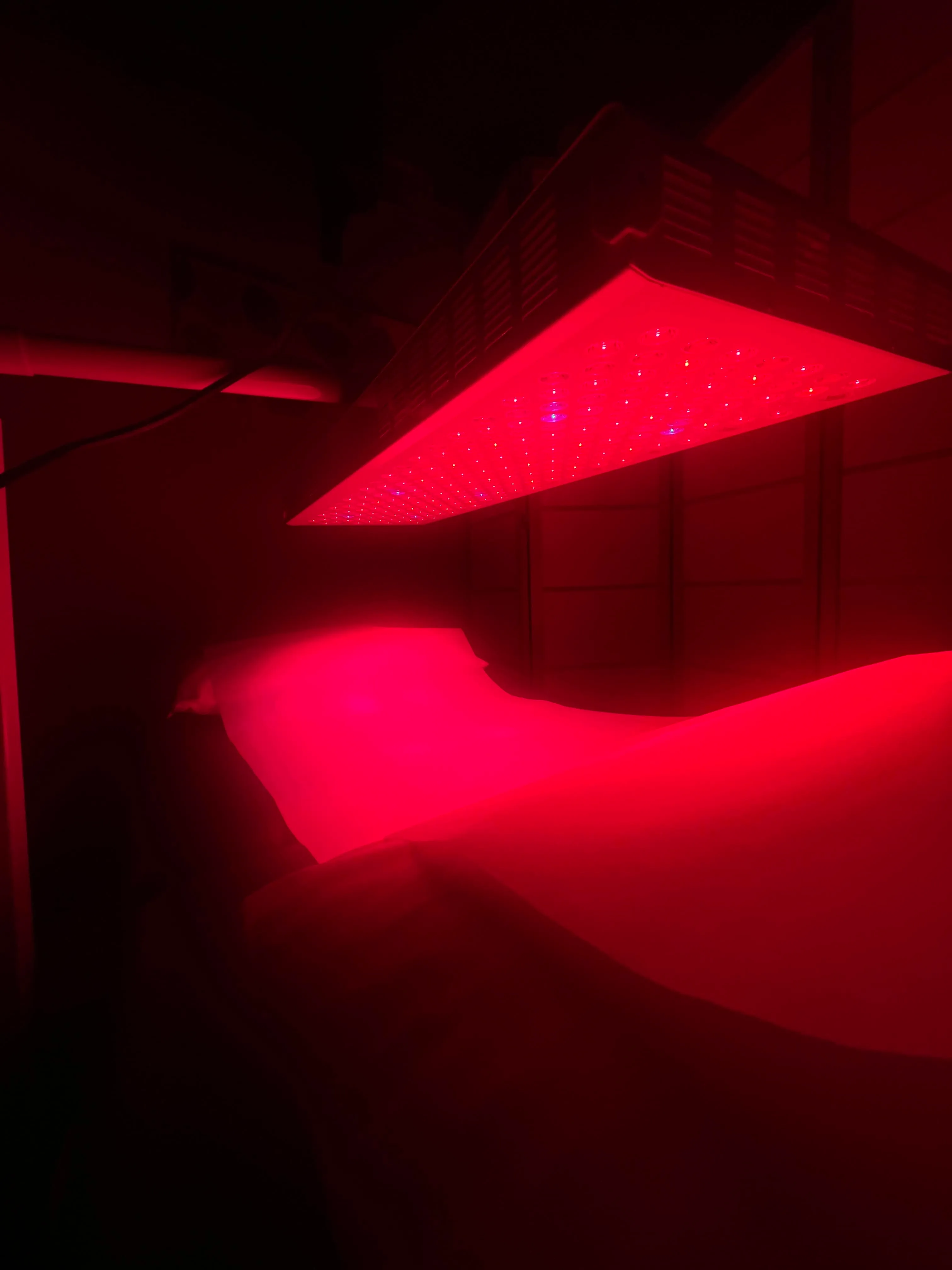
By supporting metabolic health, red light therapy can reduce the frequency of glucose spokes and crashes, allowing you to maintain a steady energy level and avoid mood dips associated with unstable blood sugar.
The Power of Consistency
For maximum benefits, consistency is key. Just as you wouldn’t expect to feel significantly better after a single workout, the effects of red light therapy compound over time. Regular sessions, whether standalone or combined with acupuncture treatments, can make a noticeable difference in mood, energy, and overall health.
Acupuncture Connections offers customized red light therapy sessions tailored to your unique needs. Whether you’re looking to address SAD, stabilize glucose levels, or boost immune function, our team is here to support you.
Why Chose Us?
We take a holistic approach to health and wellness. By combining the ancient wisdom of Chinese medicine with modern, non-invasive treatments like red light therapy, we aim to help our patients achieve higher levels of health, physically, emotionally, and mentally.
We offer affordable memberships for red light therapy, making it easy to prioritize your health throughout the fall and winter months. Our team of experienced practitioners is here to guide you every step of the way, ensuring that you feel supported, informed, and empowered in your health.
Get Started Today
If you’re feeling the effects of Seasonal Affective Disorder, struggling with sugar cravings, or looking to maintain your energy this fall and winter, red light therapy may be the perfect solution. Our combination of therapies can help you navigate the colder months with more balance, clarity, and vitality.
Book your session today and discover the transformative benefits of red light therapy.
References
Araújo, J., Cai, J., & Stevens, J. (2019). Prevalence of Optimal Metabolic Health in American Adults: National Health and Nutrition Examination Survey 2009-2016. Metabolic syndrome and related disorders, 17(1), 46–52. https://doi.org/10.1089/met.2018.0105
De Vito, P., Incerpi, S., Pedersen, J. Z., Luly, P., Davis, F. B., & Davis, P. J. (2011). Thyroid hormones as modulators of immune activities at the cellular level. Thyroid : official journal of the American Thyroid Association, 21(8), 879–890. https://doi.org/10.1089/thy.2010.0429
Nesti L, Mengozzi A and Tricò D (2019) Impact of Nutrient Type and Sequence on Glucose Tolerance: Physiological Insights and Therapeutic Implications. Front. Endocrinol. 10:144. doi: https://www.frontiersin.org/journals/endocrinology/articles/10.3389/fendo.2019.00144/full
PlatinumLED. (2024, September). Red light therapy for the immune system. PlatinumLED Therapy Lights. https://platinumtherapylights.com/blogs/news/red-light-therapy-immune-system?srsltid=AfmBOop-Lh0IYJ9PNPR8arBcDXvi3q9wOhomjr3ld2leCc2zo8zNCpcn
Powner, M. B., & Jeffery, G. (2024). Light stimulation of mitochondria reduces blood glucose levels. Journal of biophotonics, 17(5), e202300521. https://doi.org/10.1002/jbio.202300521
U.S. Department of Health and Human Services. (2023, November). Seasonal Affective Disorder. National Institute of Mental Health. https://www.nimh.nih.gov/health/publications/seasonal-affective-disorder
van Maanen, A., Meijer, A. M., van der Heijden, K. B., & Oort, F. J. (2016). The effects of light therapy on sleep problems: A systematic review and meta-analysis. Sleep medicine reviews, 29, 52–62. https://doi.org/10.1016/j.smrv.2015.08.009
Zhang, L., Sun, H., Liu, Z., Yang, J., & Liu, Y. (2024). Association between dietary sugar intake and depression in US adults: a cross-sectional study using data from the National Health and Nutrition Examination Survey 2011-2018. BMC psychiatry, 24(1), 110. https://doi.org/10.1186/s12888-024-05531-7
Ready to talk it through?